Beyond Behaviour helps you see what may be happening underneath the refusal, the meltdown and the “I'll do it later”, and gives you a ten-second habit to use before you react. You keep your boundaries. You add understanding.
Rooted in the wisdom you inherited. Built for the world your child lives in.
Get the digital edition ₹299→You have already tried what everyone told you to try.
Worked beautifully. For about a week.
Became a negotiation about the timeout.
Bought one quiet evening and a sulk that lasted two.
They can repeat the rule back to you, word for word. And then do it again.
Worked instantly. Then came the look on their face.
Did I shout too much? Is something wrong with my child? Am I getting this wrong? Your parents had one answer. The school has another. Instagram has forty. None of them agree, and none of them know your child.
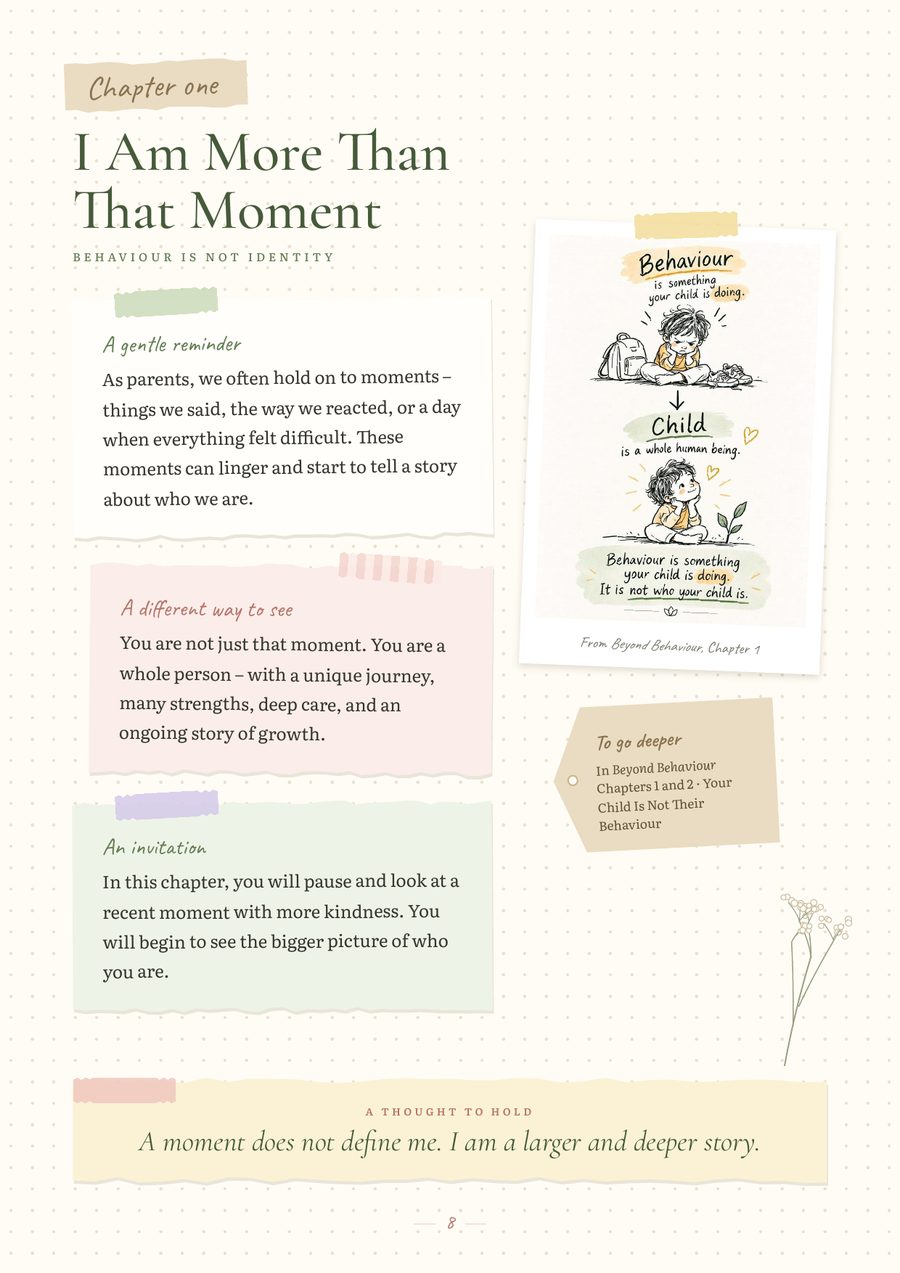
Behaviour is something your child is doing. It is not who your child is.From the book · Chapter 1
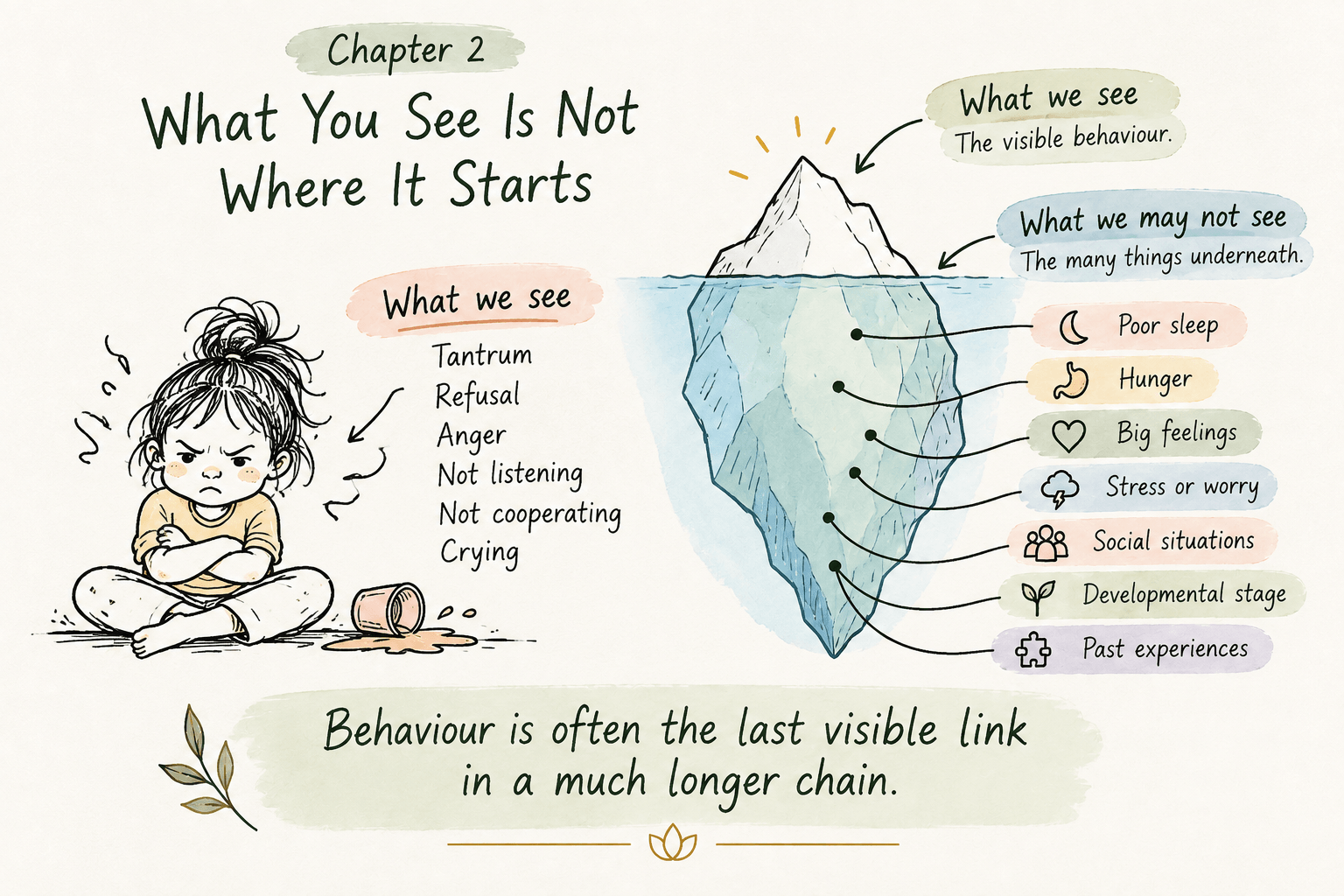
The meltdown at 4 p.m. did not begin at 4 p.m. By the time it reaches you, all you can see is the last link.
So you correct the last link. And tomorrow, the same chain delivers it again. Beyond Behaviour teaches you to look further back, without ever pretending the behaviour doesn't matter.

From Chapter 2 · What You See Is Not Where It Starts
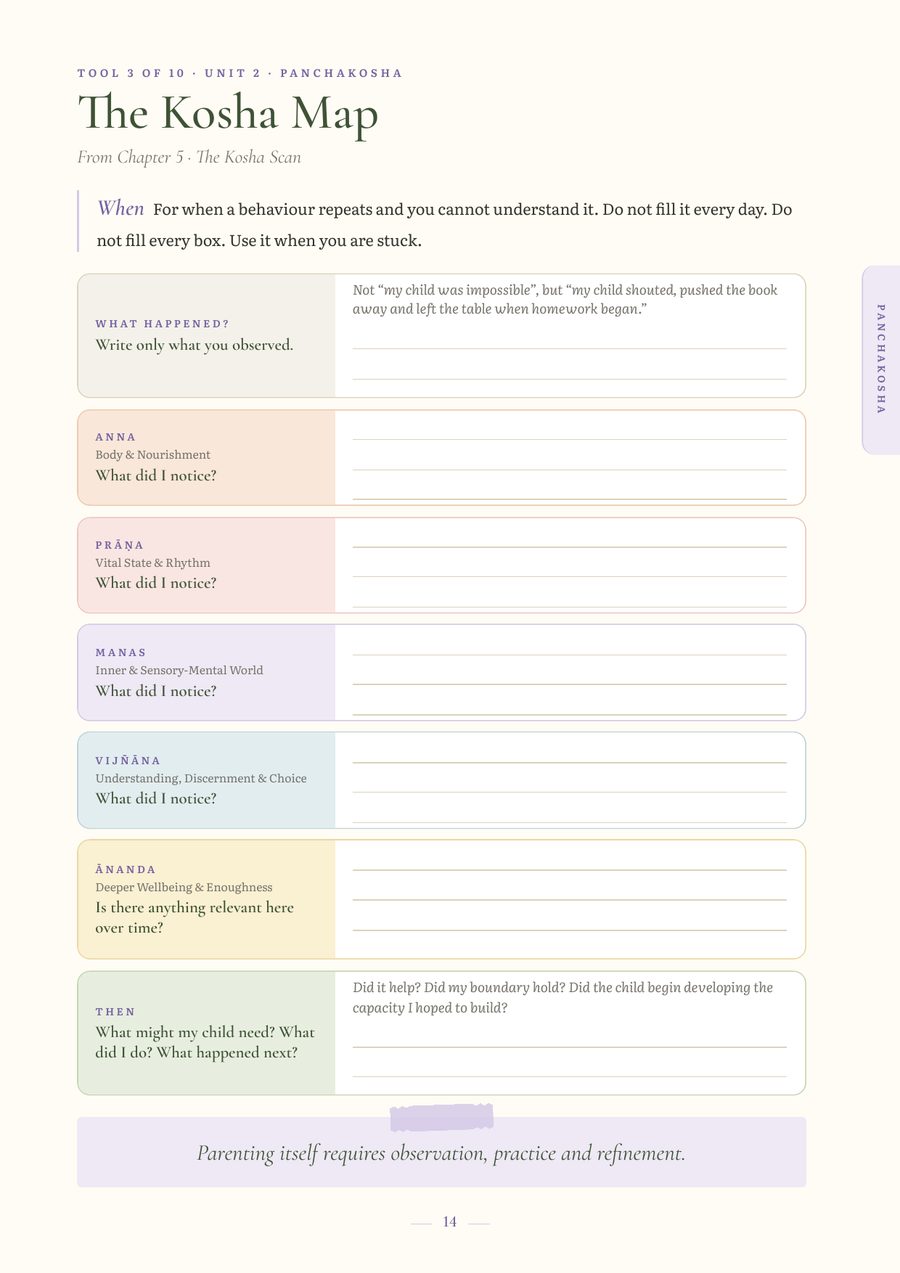
The Taittirīya Upaniṣad offers the Panchakosha vision of the person through five interrelated kośas, or sheaths. Beyond Behaviour carefully adapts this whole-person inquiry into five places a parent can learn to look.
Not five drawers. All five are present in every moment. The lens simply stops the loudest part of a moment from being mistaken for the whole child.
Five Koshas. One Child. · Chapter 3
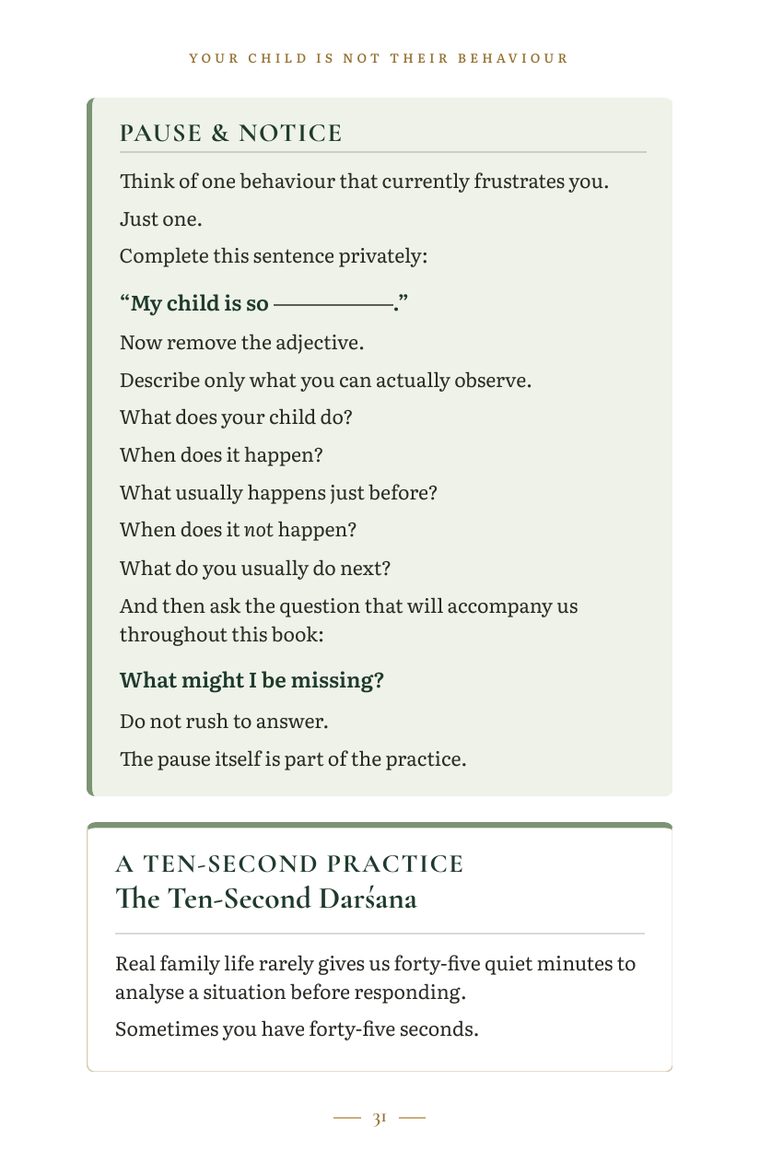
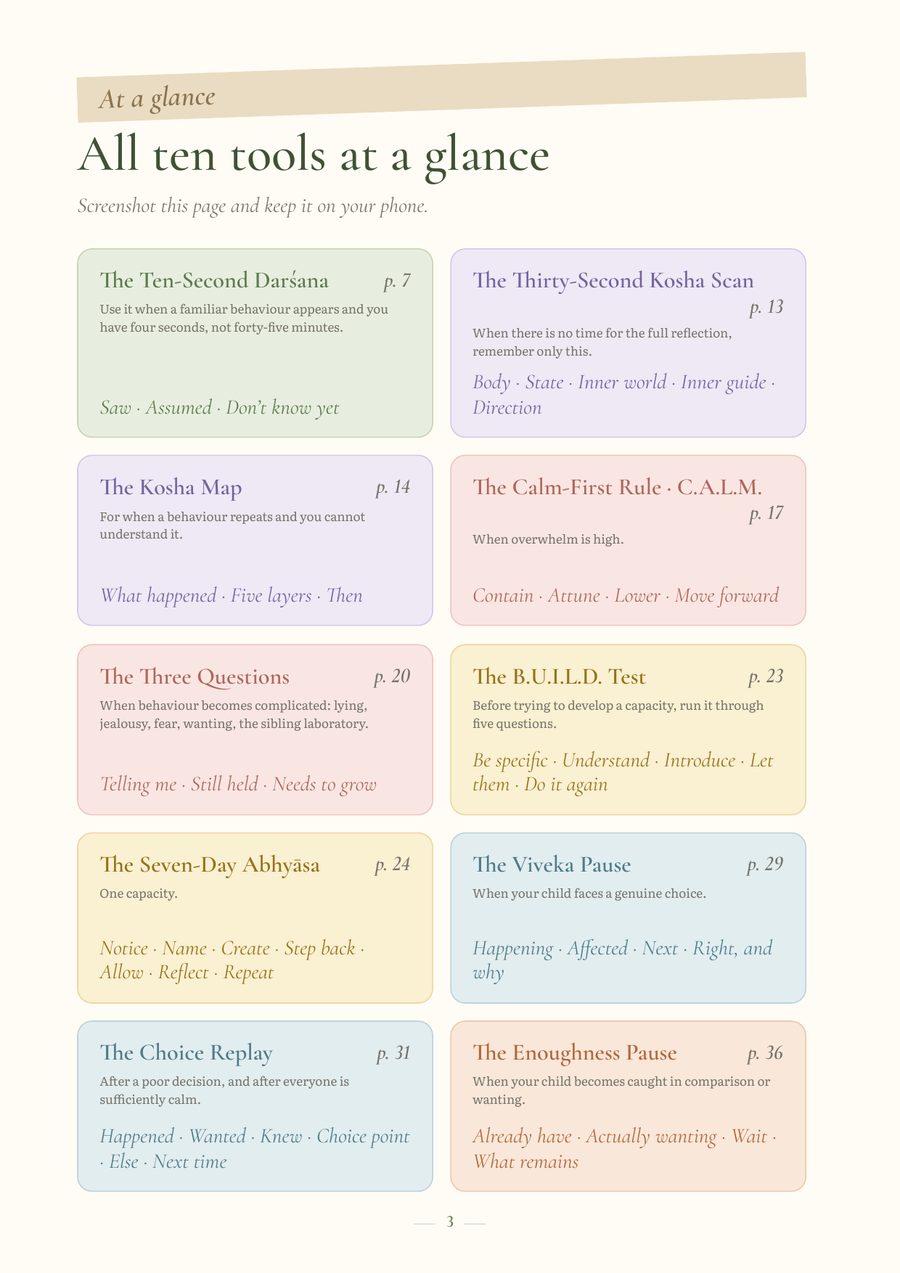
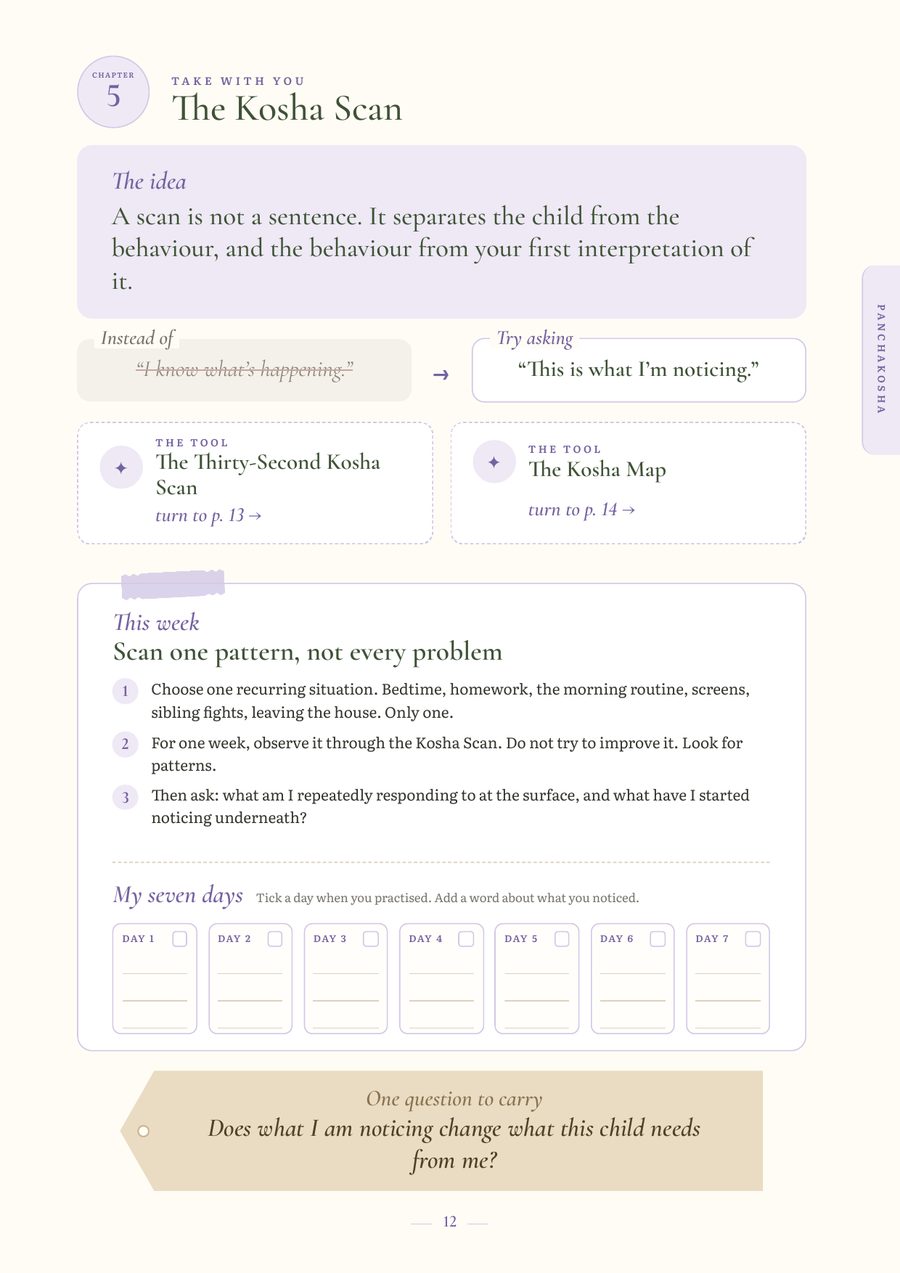
Real family life rarely gives you forty-five quiet minutes to think. Sometimes you have four seconds. So the book begins with a practice small enough for the middle of an actual morning. When a familiar behaviour appears, separate three things:
Only what actually happened.
The meaning a tired mind adds in under a second.
And yes, is he avoiding effort? That stays on the list.
This is not about flattering your child. It is about seeing enough to respond well.
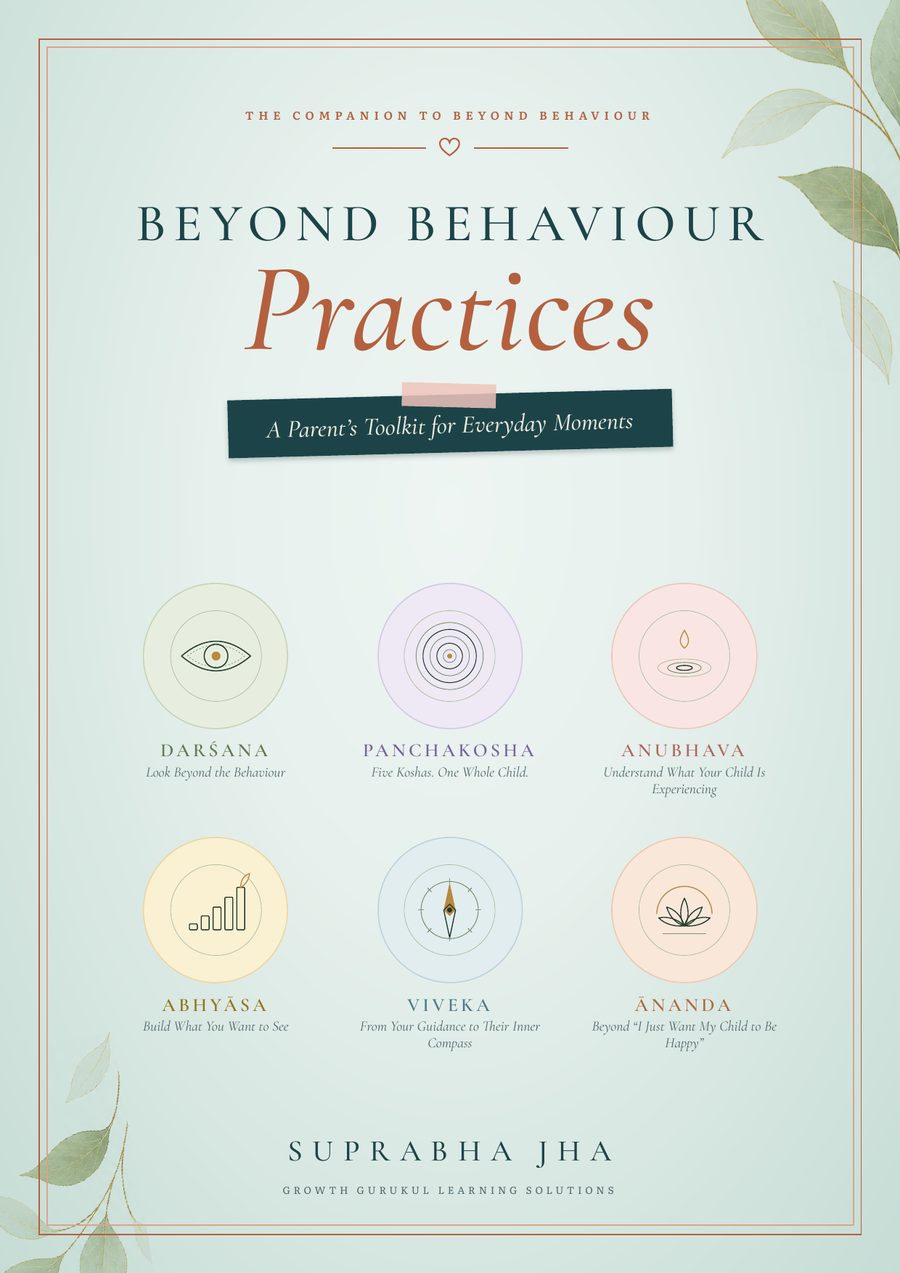
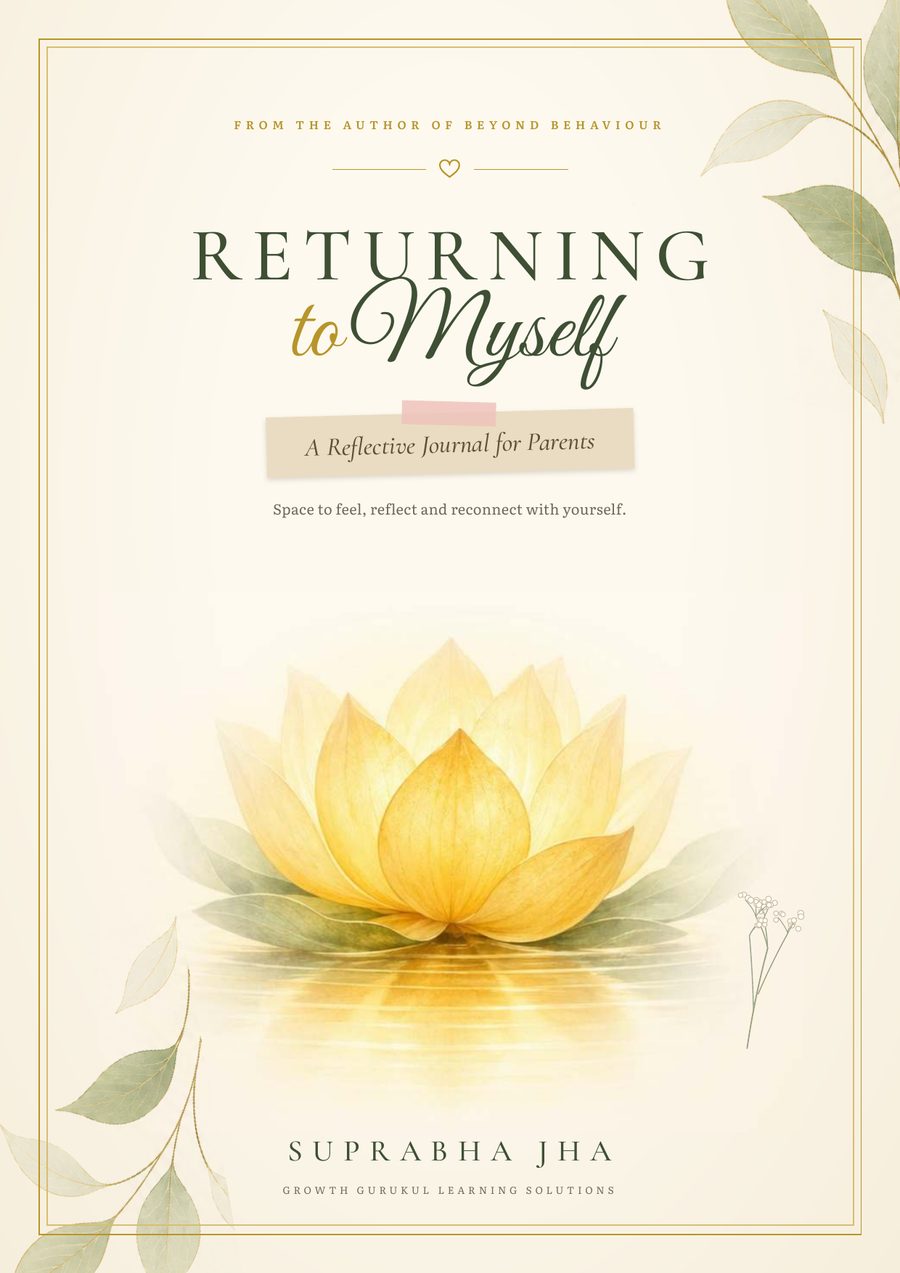
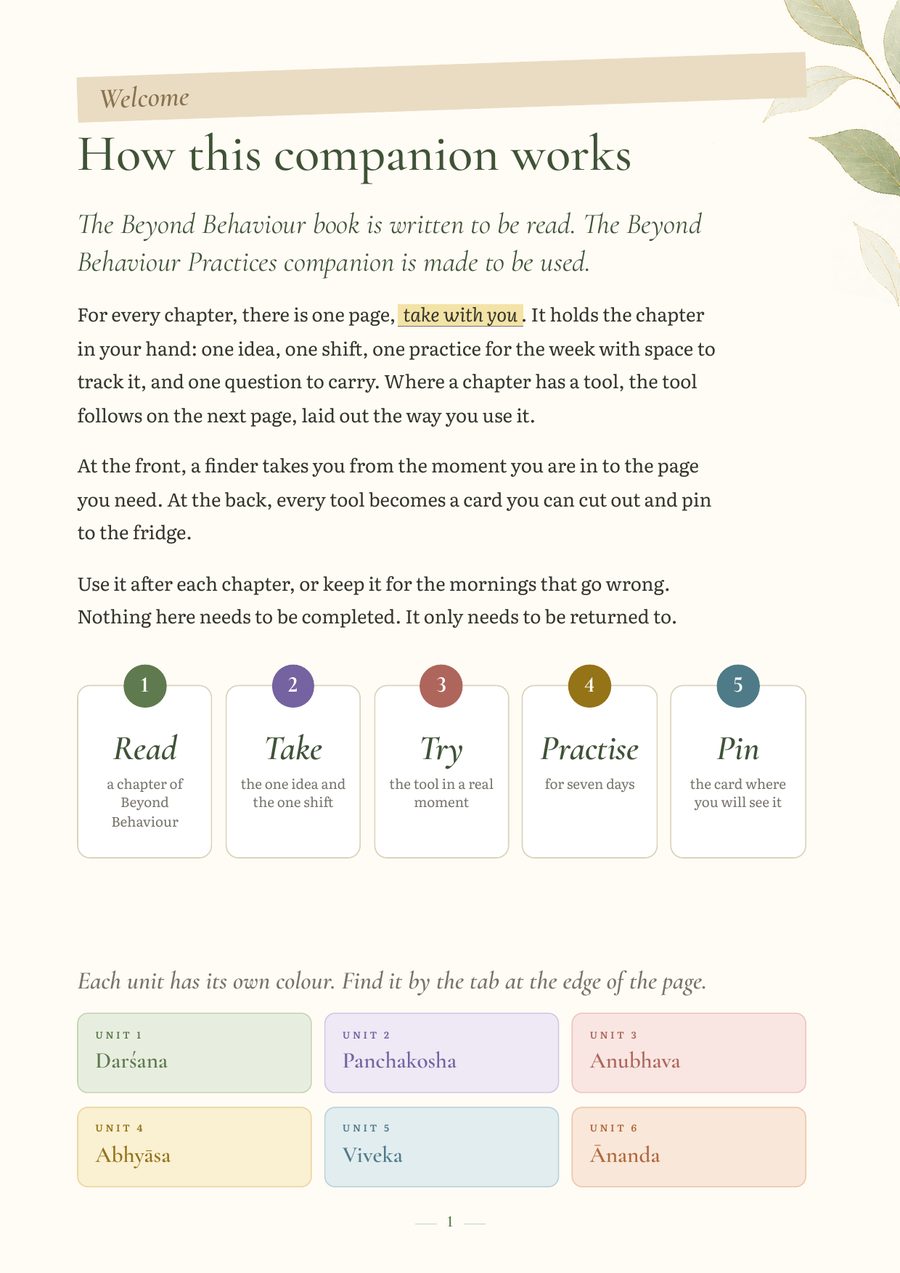
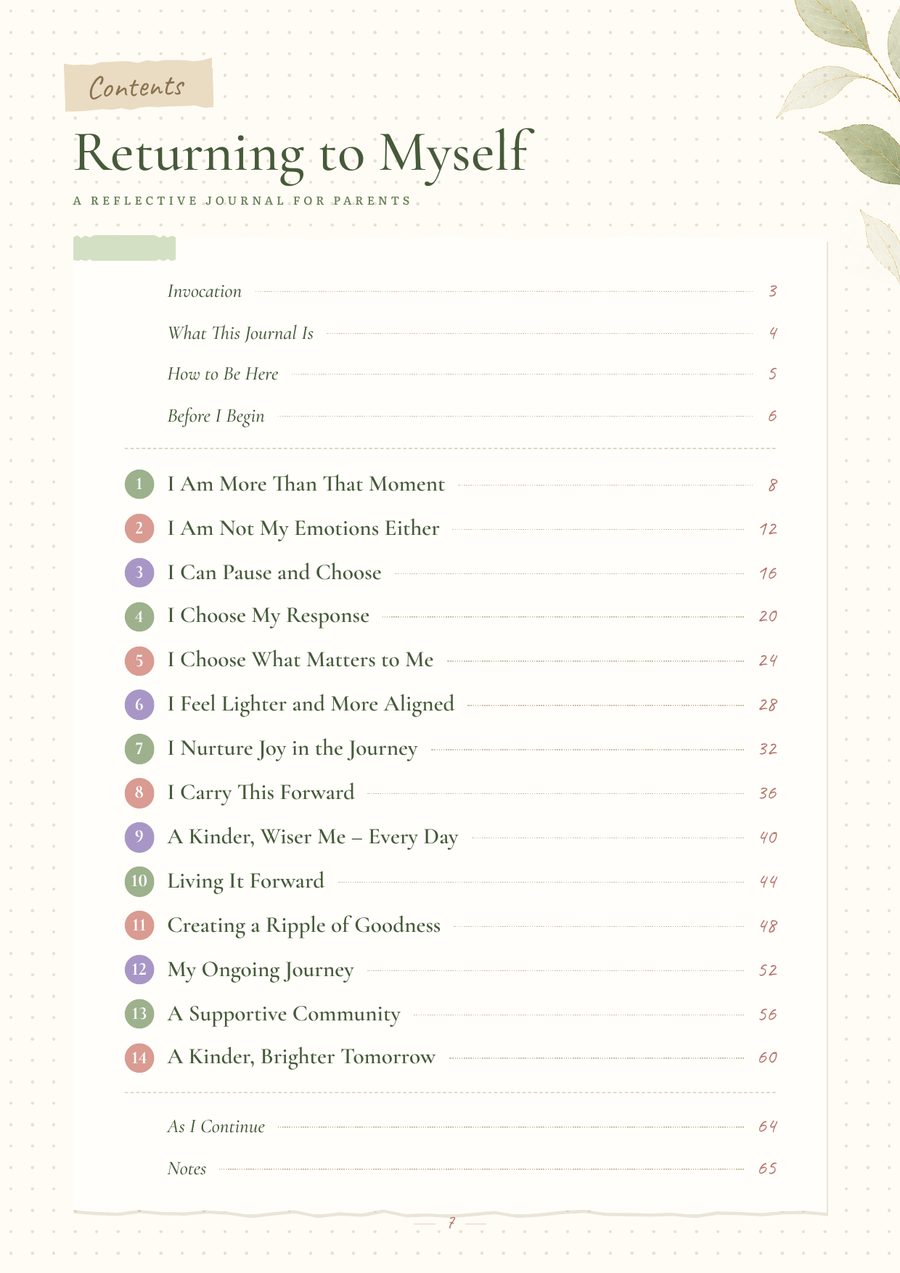
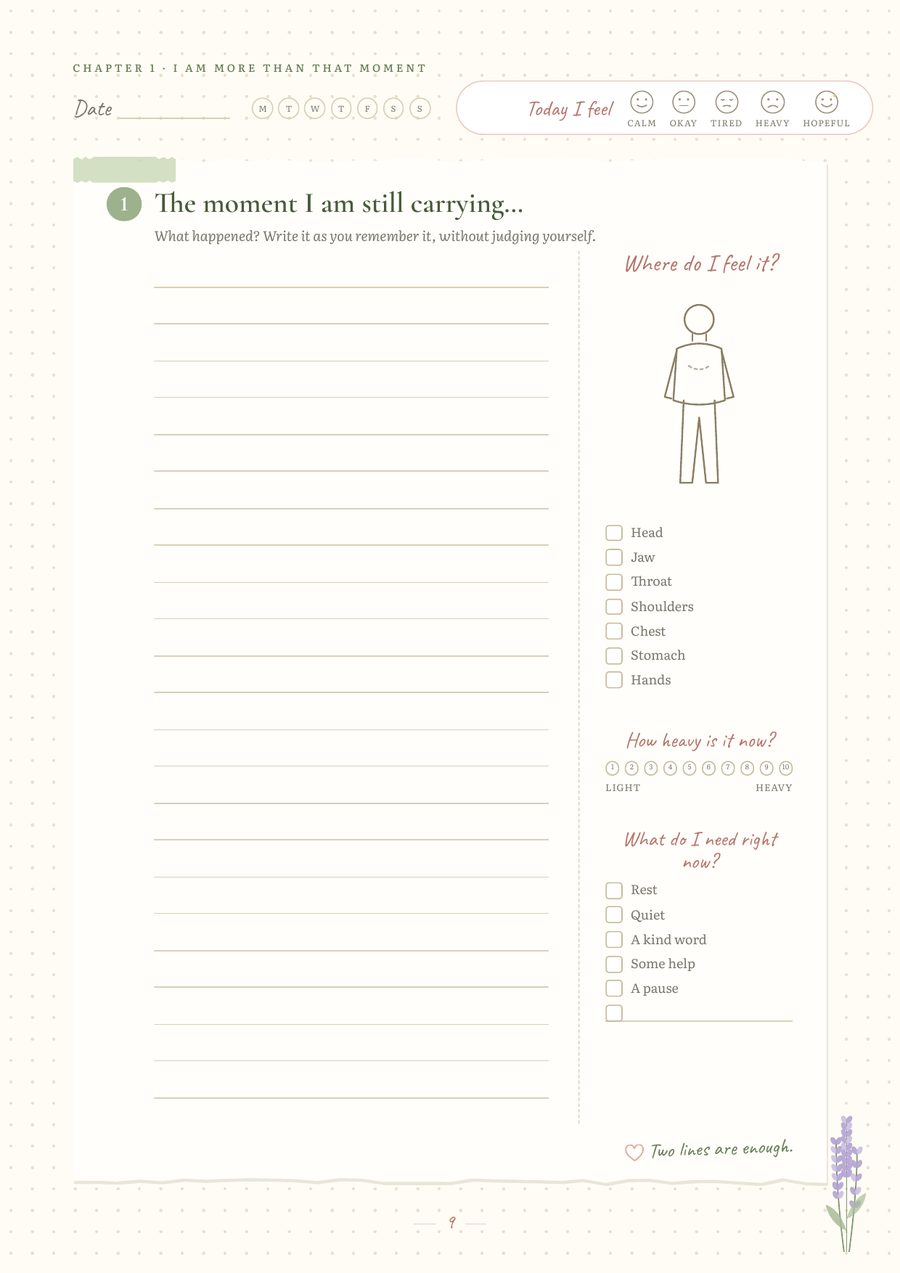
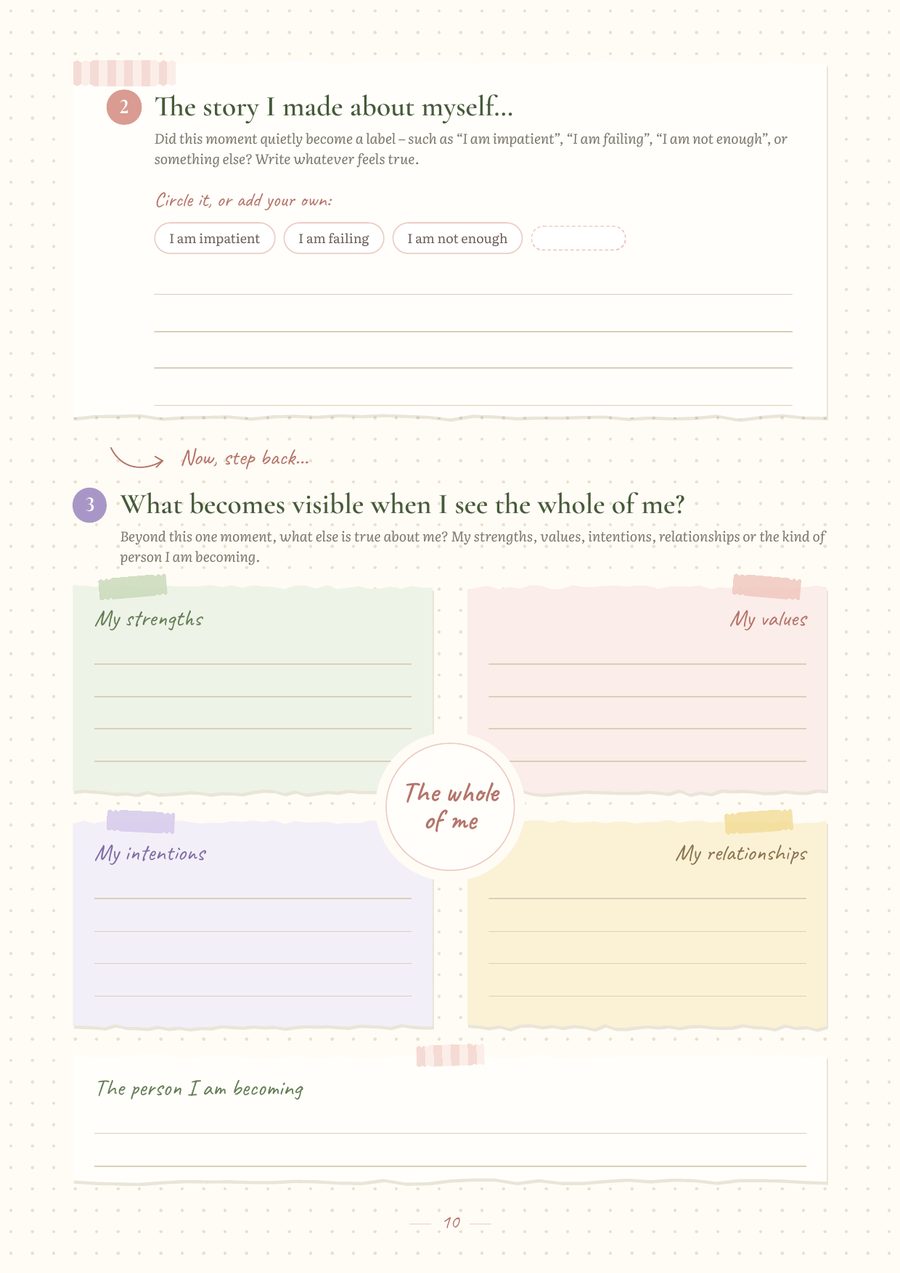
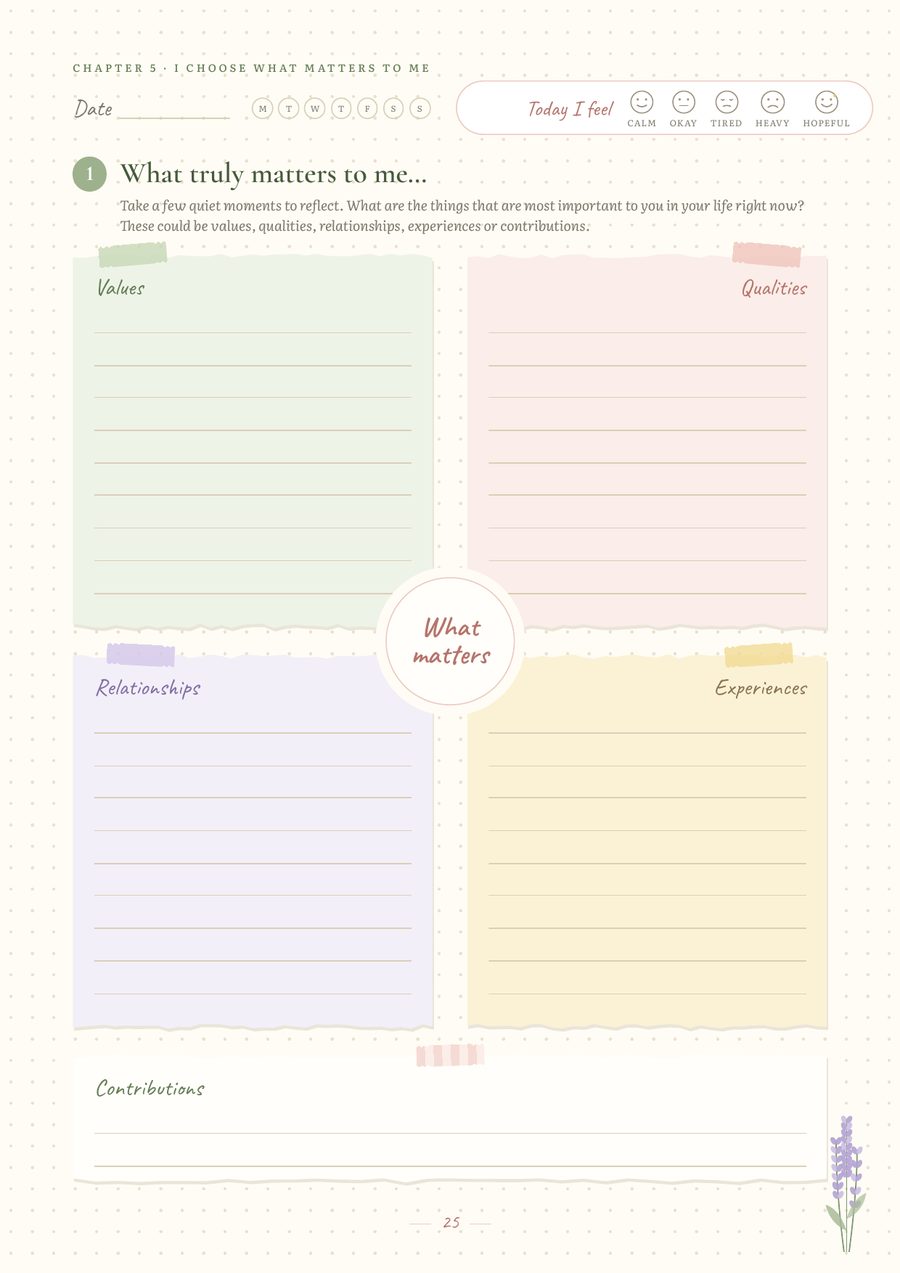
The book helps you understand your child. The Practices toolkit turns each chapter into something you can do this week. The journal turns the same gentle attention towards you.


The book helps you see your child more clearly. These three bonuses give you quiet, playful moments to practise that seeing together, at bedtime, at the table, or anywhere you have ten minutes.

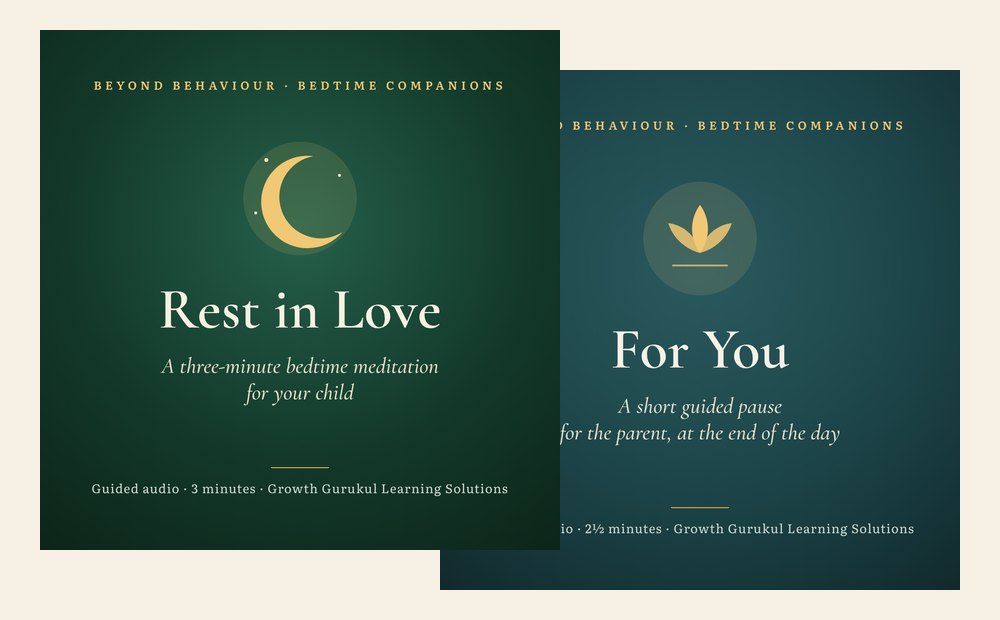
Rest in Love, a three-minute bedtime meditation for your child, and For You, a short guided pause for you. Play them on any phone, no app needed.

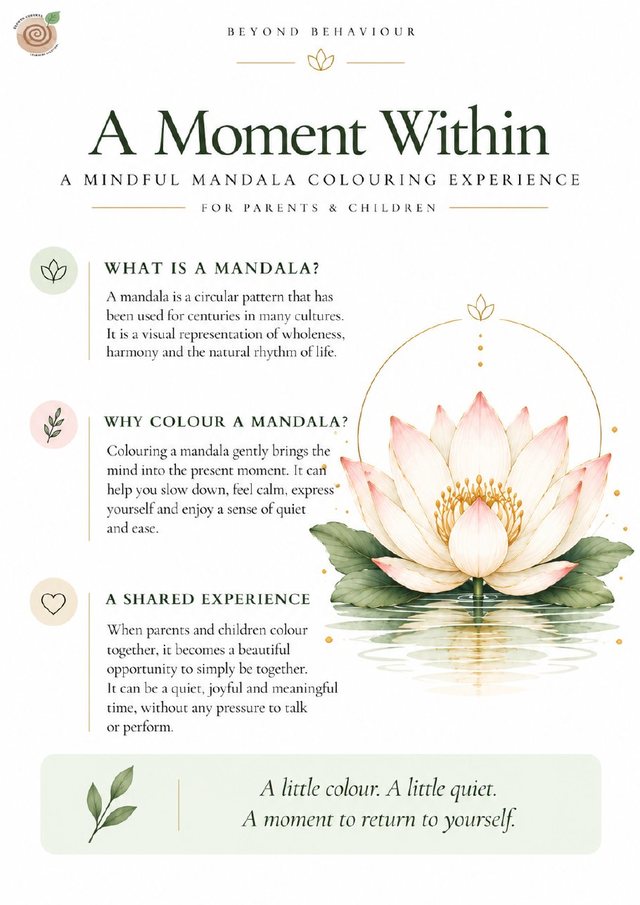
One mandala for you and one for your little one, with a gentle six-step guide. A little colour, a little quiet, side by side.

Ten illustrated picture cards to print and cut. For each one: Look, Feel, Discover. A playful way to build empathy and talk about feelings.
Short chapters. Real family scenes. Tools you can use in the middle of a morning. Tap any page to look closer.


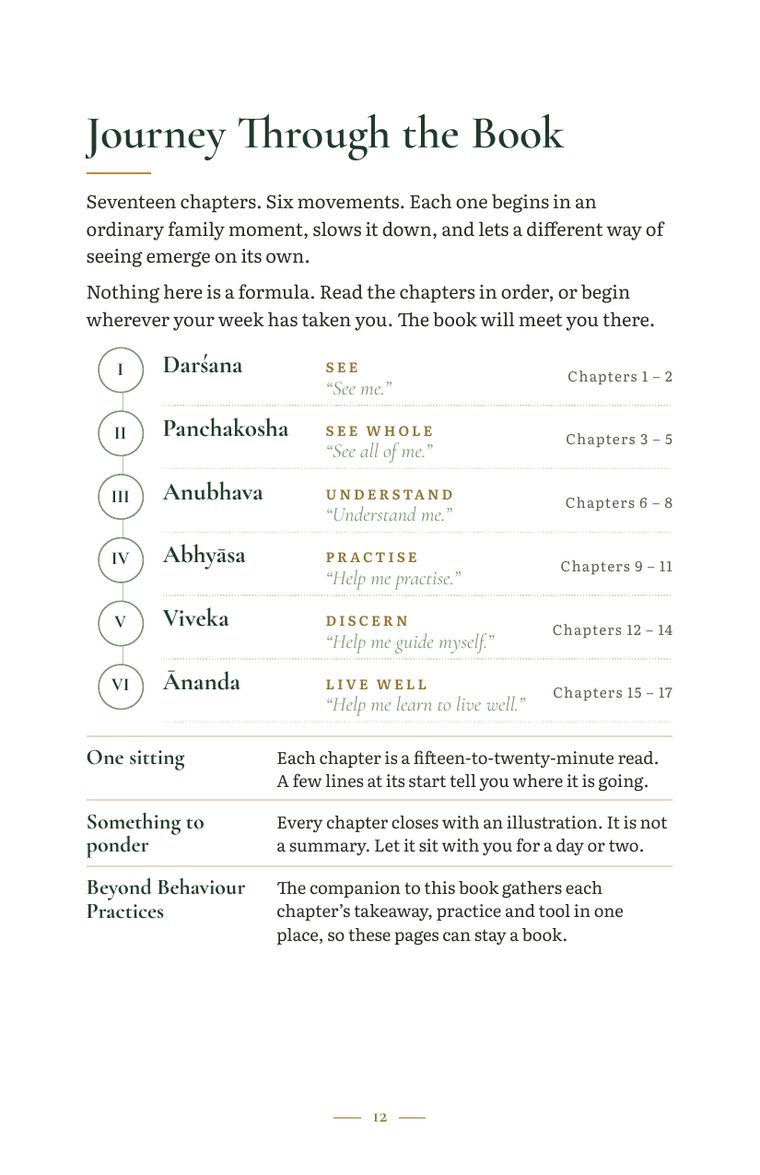
The book moves the way a parent's understanding grows: from seeing, to understanding, to practice, to handing the compass to your child.
Why the label is the first thing to go. Separate the moment from the child, and learn what “he knows better” so often misses.
Five questions, from the obvious to the subtle, that tell you where to begin before you say a word.
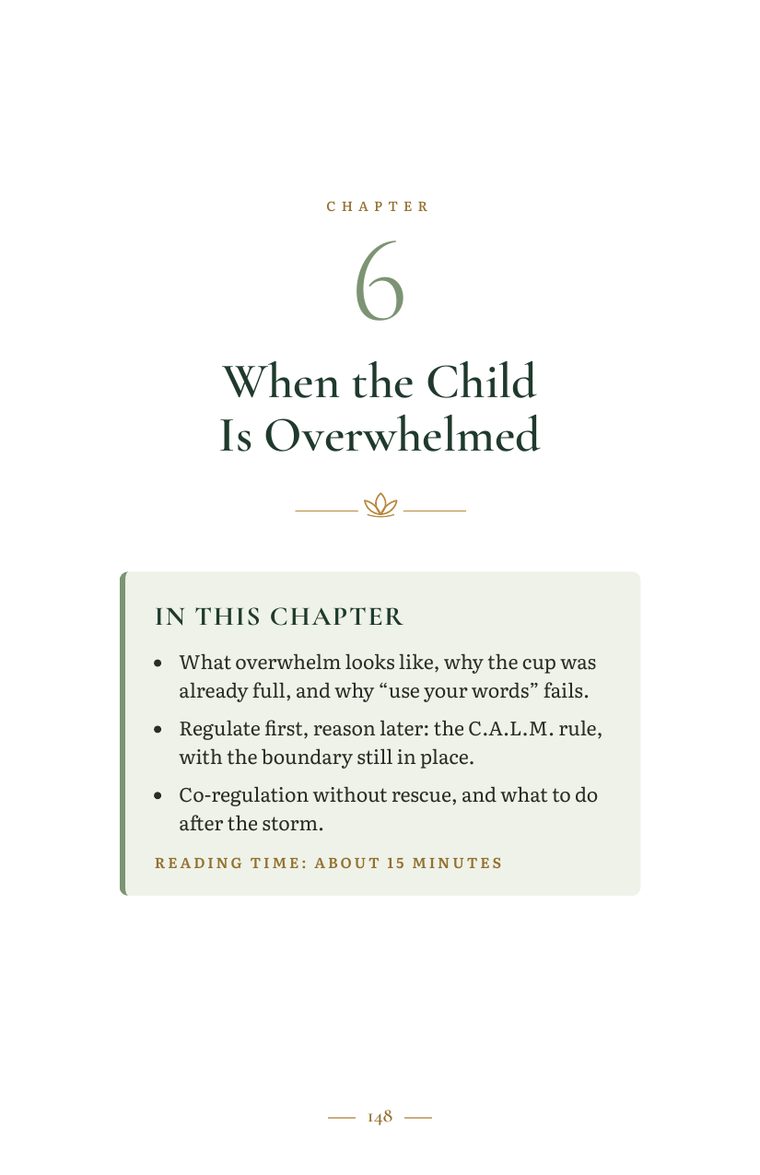
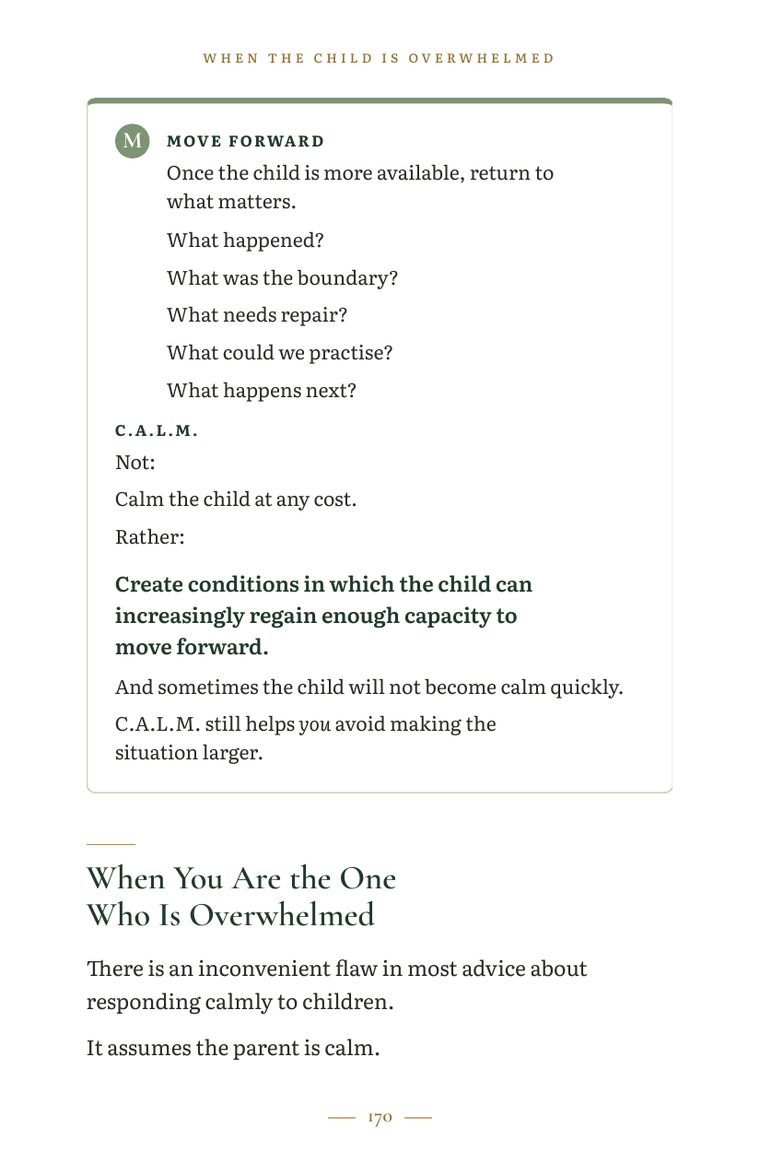
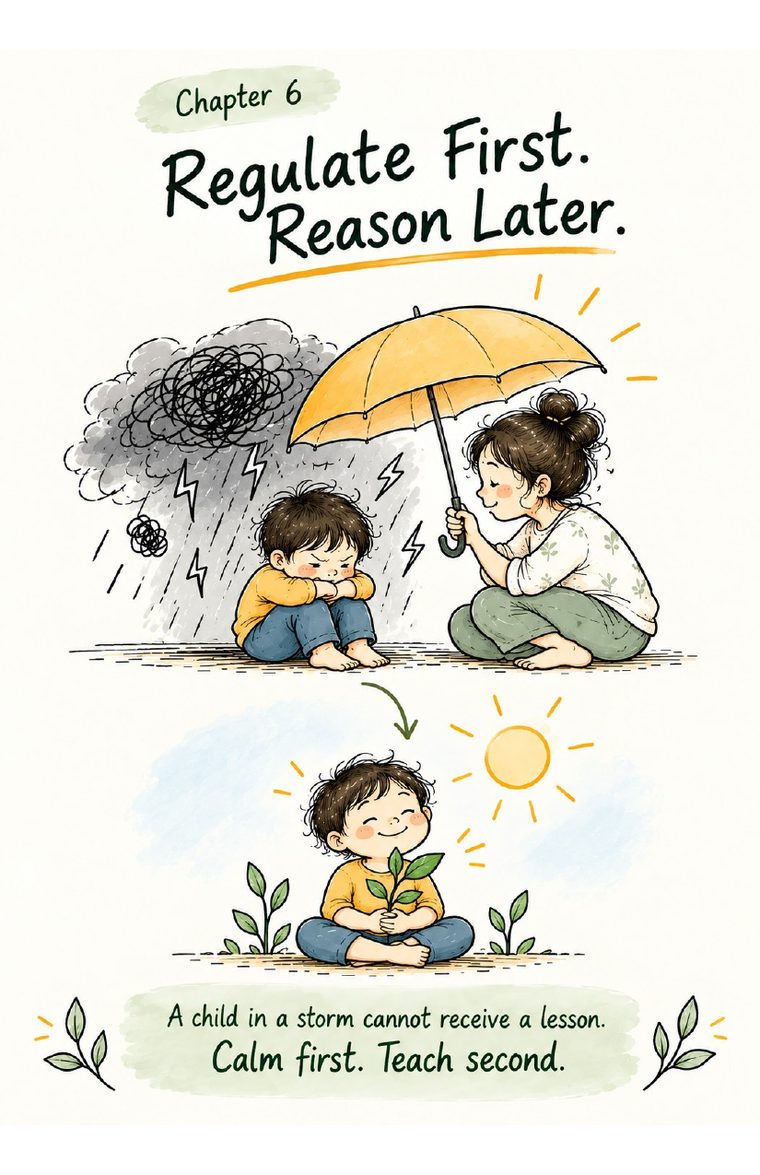
What to do when your child is overwhelmed, and why teaching in the middle of a meltdown rarely lands.
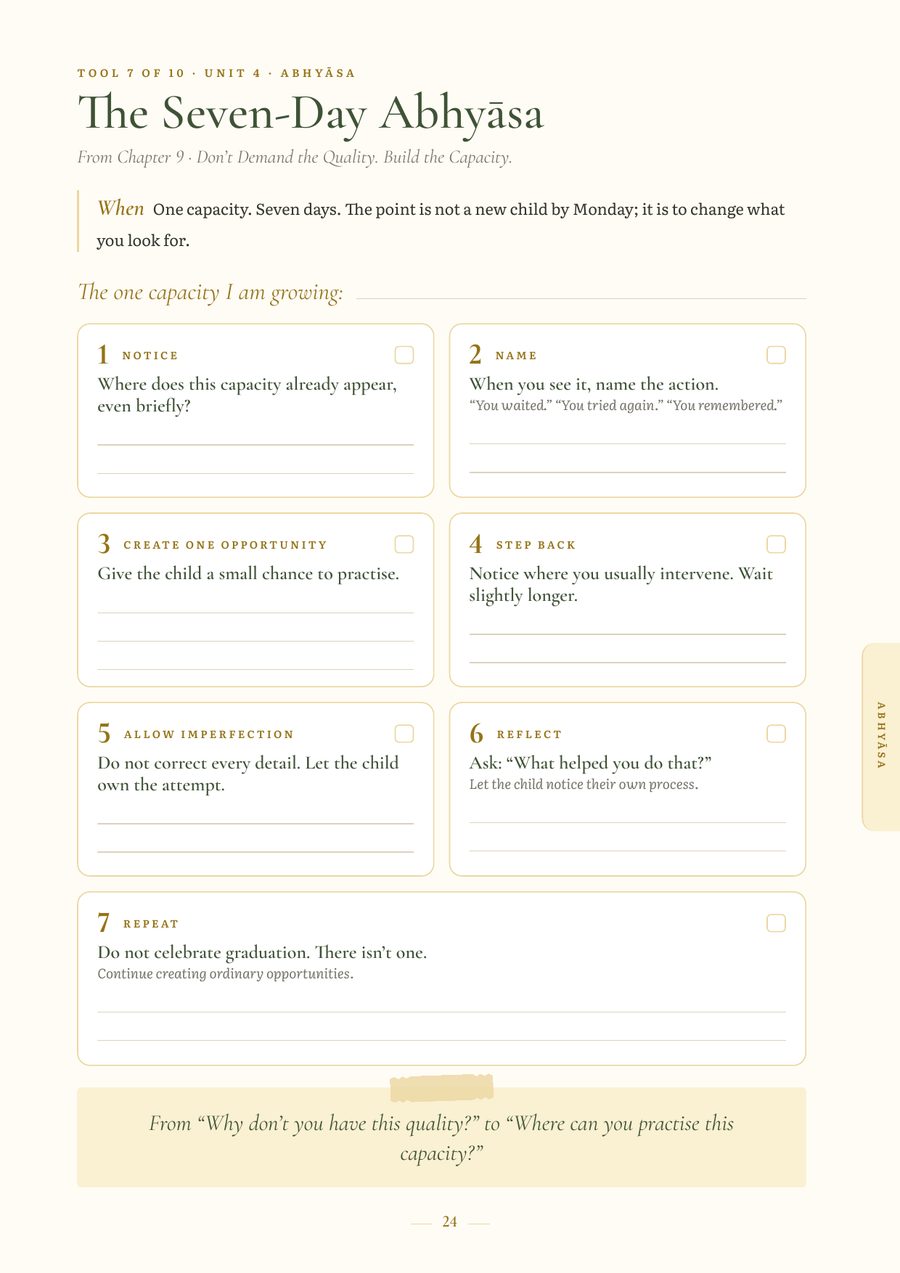
Don't demand the quality. Build the capacity. Turn “be more responsible” into one small thing a child can practise.
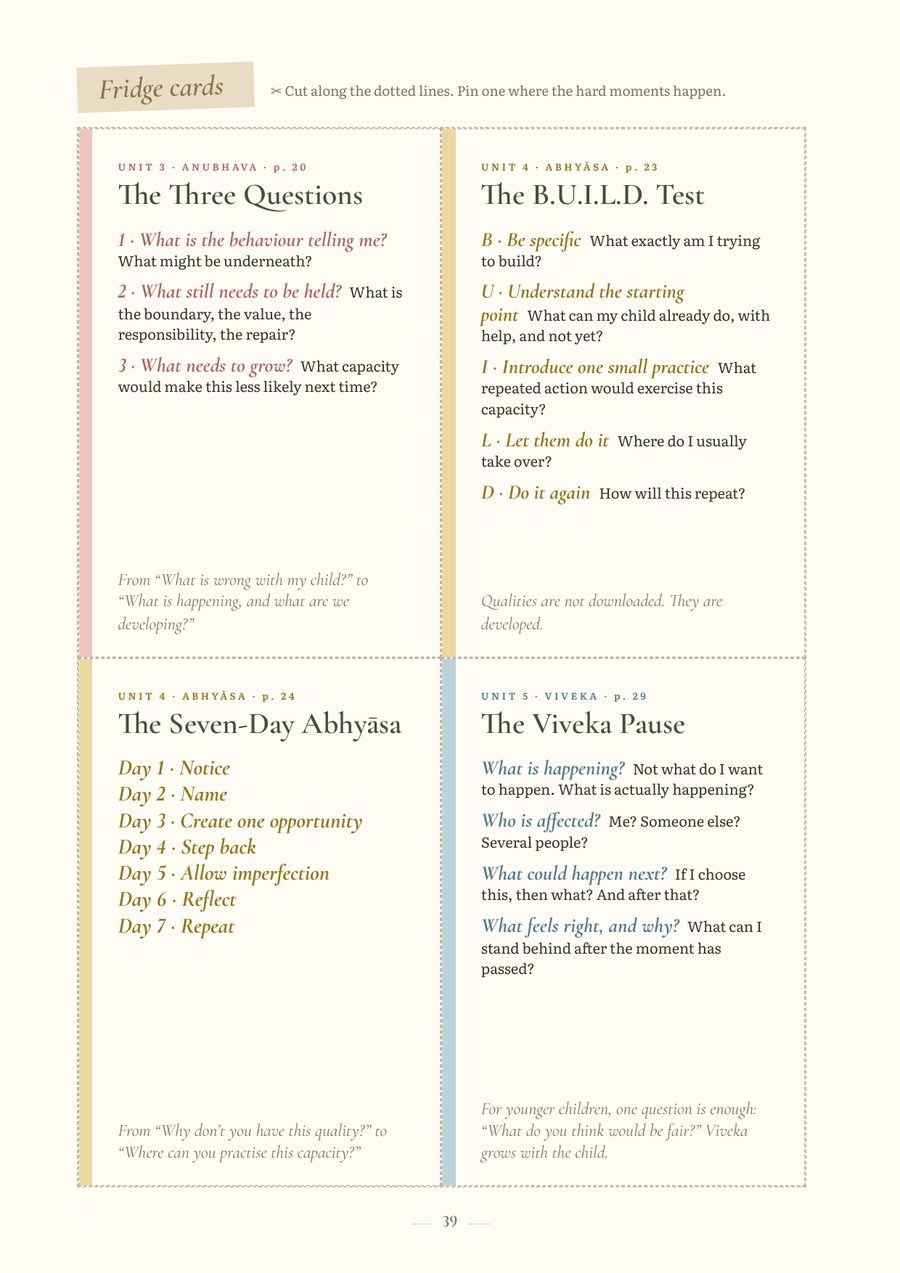
Knowing right versus choosing right, and what guides them when you're not in the room.
The child who has everything and still wants more, and how children learn what is enough.
Calm first, teach second. C.A.L.M. gives you a sequence for the moment when nobody in the room can think.
A tired body, a big feeling and a skill that isn't built yet need three different things from you.
You can say no. Hold a consequence. Expect repair. Ask for responsibility. The difference is that correction is no longer the only tool you have.
That's the goal over time: building what's underneath, not winning the next ten minutes.
Partners, grandparents and in-laws can stop debating “strict” versus “soft” and start asking: what is happening here?
That's why this one is built for ordinary days. Chapter 1 takes about fifteen minutes to read. Its practice takes ten seconds, and you can use it at breakfast tomorrow.
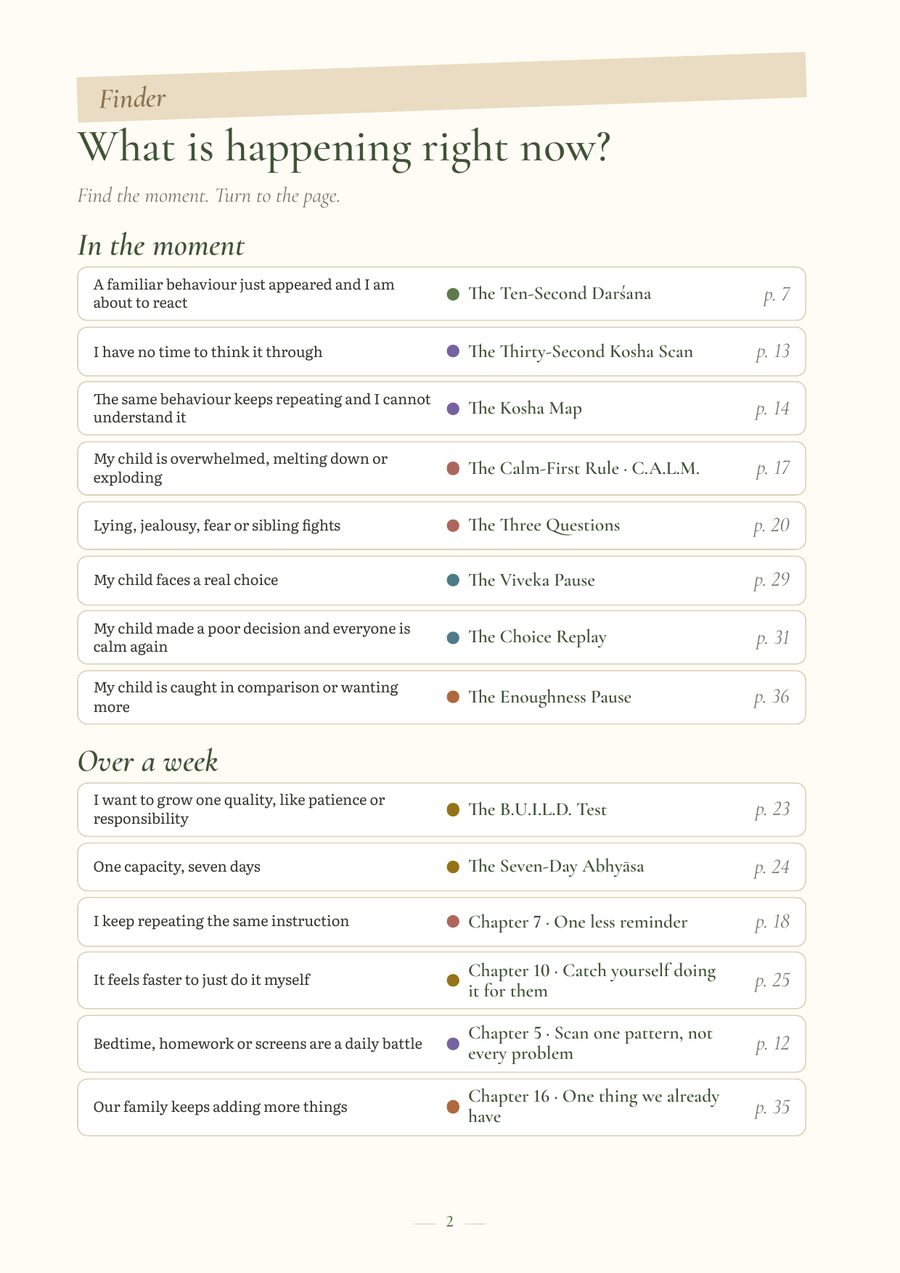
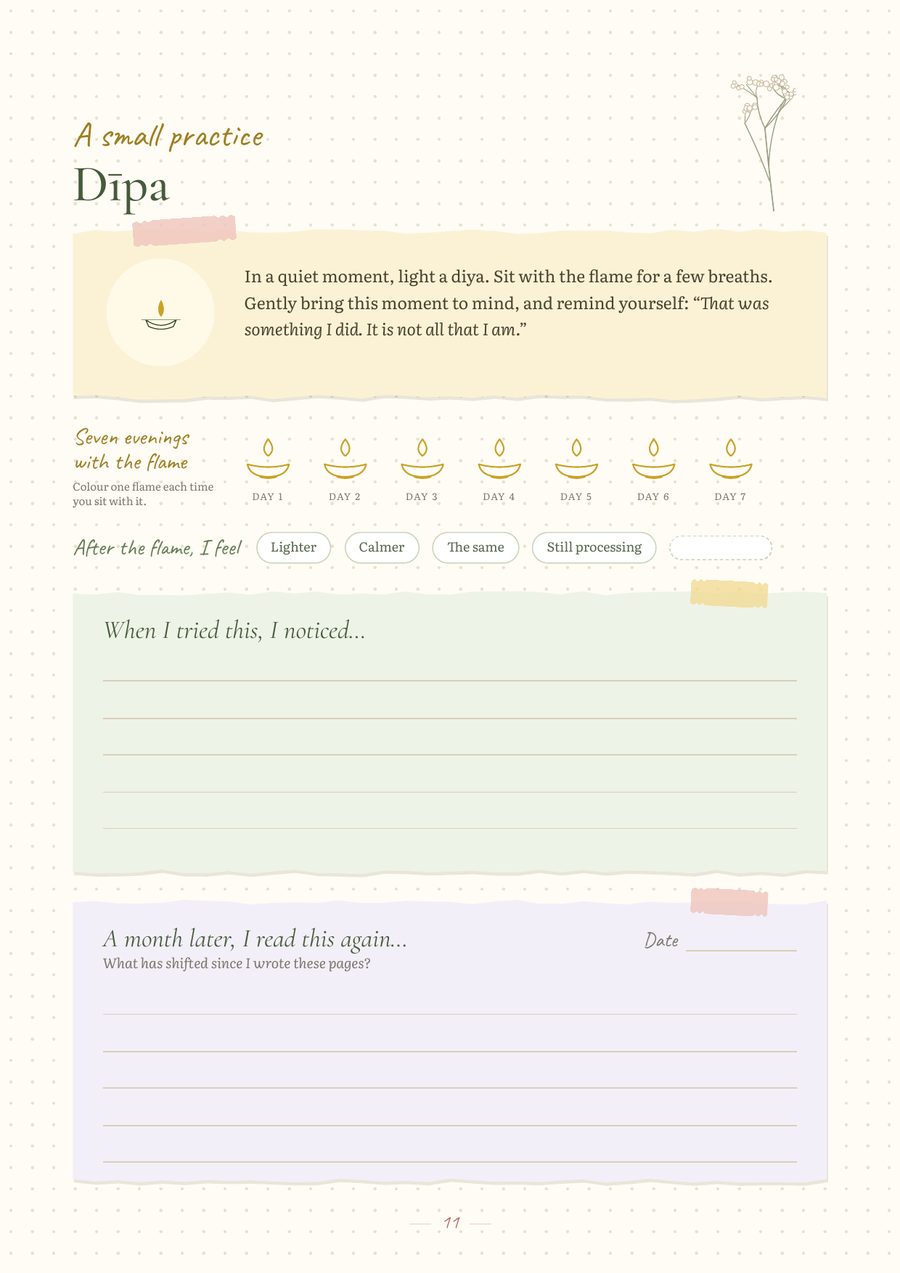
The Practices toolkit then gives you one page for every chapter: the idea, the shift, the tool and a seven-day practice, with a tracker. One small thing at a time, never a homework list.

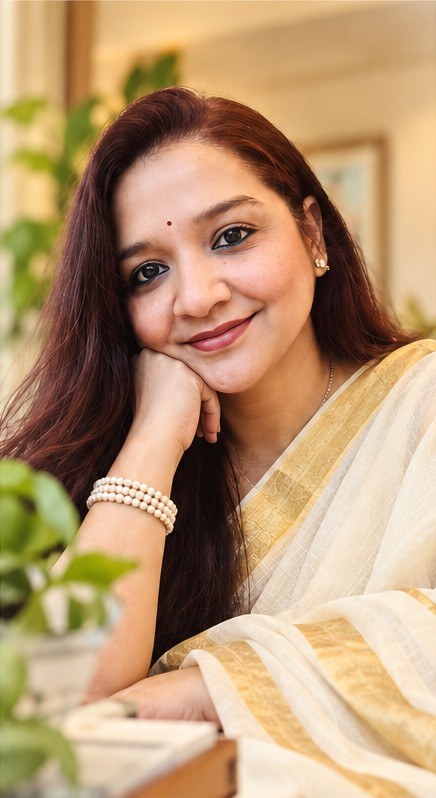
Suprabha Jha · Educator · Founder, Growth Gurukul Learning Solutions
For Suprabha Jha, education has never been only about what a child learns. It is about who the child is becoming.
Her work began in educational publishing, with Blue Orange Publications, and grew into Growth Gurukul Learning Solutions: Panchakosha-based curriculum and teacher development for schools across India. She founded Three Dimensions Learning Centre, Uttar Pradesh's first Panchakosha-based preschool, where the ideas in this book are part of an ordinary school day.
The Indian wisdom in these pages is something she practises, not just quotes. She is a Visharad in Indian classical music (Mohan Veena) from Pracheen Kala Kendra, a trained Yoga and Mudra practitioner and, like you, a parent.
“For years, a child borrows our steadiness, our judgement, even our way of making sense of the world. Parenting is the slow, almost invisible work of returning each of these to them as their own.”Suprabha Jha · from the book
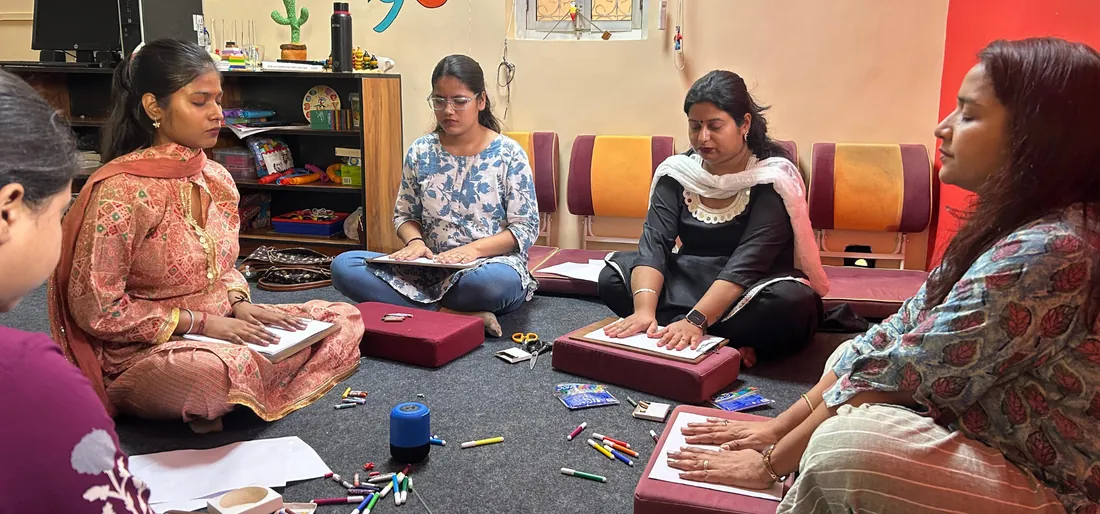
The Panchakosha lens in this book has been shaping real classrooms for years: in Suprabha's own preschool, in Growth Gurukul partner schools, and in teacher circles across India.


Questions first? WhatsApp +91 92177 06551 or write to suprabha@growthgurukullearning.com. A real person from Suprabha's team will reply.
No. Understanding is not the opposite of a boundary. The book keeps no, consequences, repair and responsibility. What changes is the order: you understand first, so the boundary you set can build something.
No. The Panchakosha comes from the Taittirīya Upaniṣad, and the book uses it as a way of seeing the whole person. There are no rituals, and families of any background can use it.
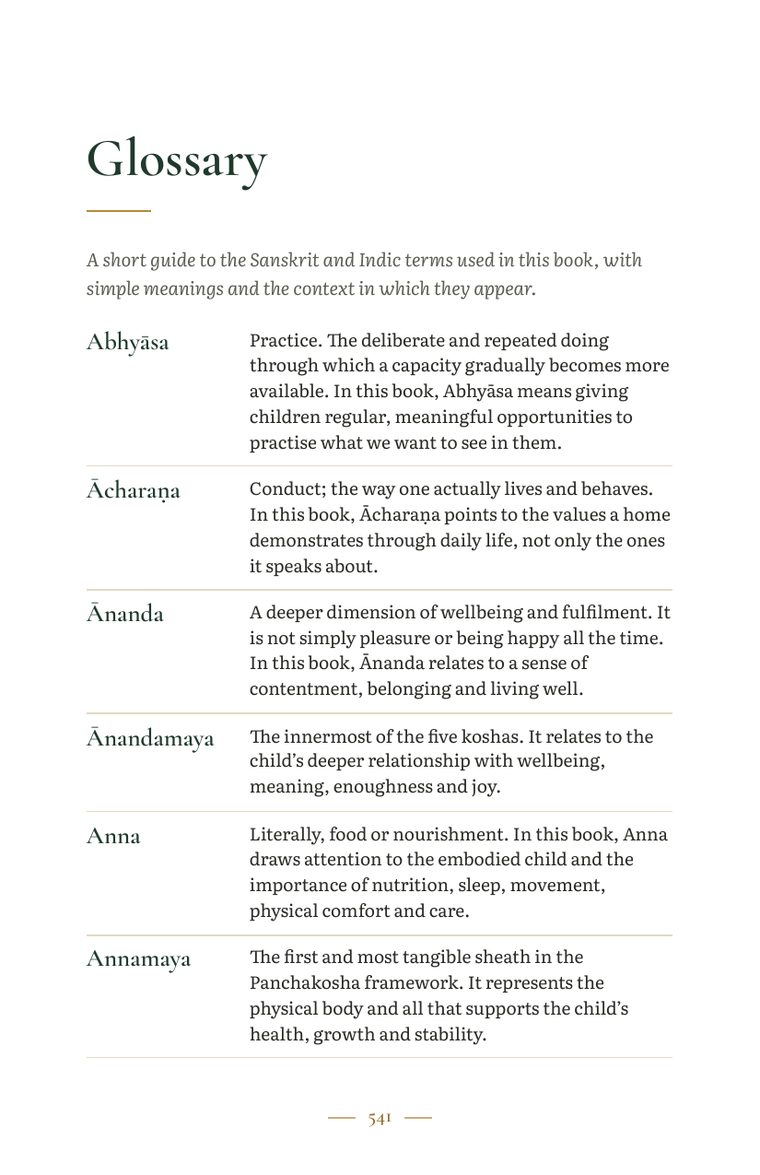
Yes. Every Indic word is explained in plain English, and there's a glossary at the back. The few words you keep become useful shortcuts.
The lens is about capacities, not ages, so it applies at every stage. The examples change as children grow; the five kośas and the six units stay the same.
The book as a PDF (best on a tablet or laptop) and an ePub (best on a phone or e-reader), plus the Beyond Behaviour Practices toolkit as an A4 PDF to print, a fillable PDF you can type into, and an ePub. You also get three free bonuses: the Bedtime Companions audios (MP4 files that play on any phone), the A Moment Within mandala colouring pages (PDF to print) and the Peek-a-Heart! card game (PDF to print and cut). If you add the journal, you also receive Returning to Myself as a printable A4 PDF, a fillable PDF and an ePub.
By email, within minutes of payment, from suprabha@growthgurukullearning.com. If you don't see it, check your spam or promotions folder, then WhatsApp us and we'll resend it.
Not on this page. This is the digital edition, delivered instantly. You're welcome to print the toolkit and the journal for your own use.
No. The book is complete on its own, and the toolkit comes free with it. Returning to Myself is for parents who want to turn the same attention inward. Add it for ₹199 with one tick at checkout.
Because the files are delivered instantly and can't be returned, all sales are final. If anything is wrong with a file, we'll send you a fresh copy. See our refund and replacement policy.
The files are licensed for you and your household. Please don't forward, upload or resell them; this is how Suprabha's work stays sustainable.
Checkout is in Indian rupees. If your card is issued outside India and doesn't go through, write to us and we'll help you get a copy.
No. Beyond Behaviour is an educational book. If you're worried about your child's health, development or safety, please speak to a qualified professional, and use the book alongside that help.
Read Chapter 1 tonight. Try the Ten-Second Darśana at breakfast. Keep your boundaries, and add understanding.
Get the book + all bonuses ₹299→P.S. If you remember only one line from this page, make it the one the whole book is built on: behaviour is something your child is doing. It is not who your child is. The book shows you what to do with that on an ordinary Tuesday.